
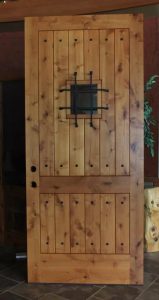
A traditional wood door adds warmth, character, and timeless appeal to your home, but with several wood species to choose from, finding the right one can feel overwhelming. Pine, fir, cedar, alder, and reclaimed beam wood each offer distinct colors, grain patterns, and durability. Understanding these differences can help you select a door that complements your home’s architecture, fits your style, and meets your expectations for long-term performance.
An experienced door building company can provide valuable insights into the style and material that suit your home best and then provide the expert craftsmanship to match.
Understanding the Characteristics of Different Wood Species
The best wood for your traditional door depends on the appearance you want, the conditions your door will face, and the maintenance demands you’re comfortable with. Be sure to consider multiple factors when choosing the style of wood door you want.
Pine is known for its light color, visible knots, and relaxed, natural grain. Its affordability and workability make it appealing for rustic, farmhouse, and traditional homes.
Fir typically features golden to reddish-brown tones and a distinctive, straight grain. Its strength makes it a popular choice for traditional doors, particularly in craftsman and rustic designs.
Cedar offers warm reddish-brown hues, attractive grain, and natural resistance to decay. These qualities make it appealing for exterior applications.
Alder has a smooth texture, subtle grain, and warm, light-brown to reddish tones. Its understated appearance works beautifully when you want decorative details or custom carving to stand out.
How to Choose the Best Wood for Your Home
You should always consider your home’s architectural style. Pine and cedar can complement rustic or farmhouse exteriors, while fir’s pronounced grain suits traditional designs. Alder offers a more refined, understated appearance, and reclaimed beam wood can create a distinctive focal point in homes featuring natural materials.
Next, think about color and grain. Do you prefer a light, natural finish with visible knots, a warm wood tone with defined grain, or the aged character of reclaimed material? Remember that stains can change a wood’s appearance, and different boards may absorb the same stain differently. Looking at wood samples with your home’s siding, trim, and exterior finishes can help you make a confident decision.
Durability and Maintenance
Your door’s exposure to direct sunlight, rain, and changing temperatures can affect its long-term performance. A sheltered entry may experience different conditions than one exposed to the elements. Regardless of species, a door’s longevity still depends on quality construction, appropriate exterior finishing, proper installation, and routine maintenance.
Finishing is an important aspect of your maintenance plan for your door. A suitable exterior finish helps protect wood against moisture and weathering while bringing out its natural color and grain.
Find the Right Traditional Wood Door for Your Home
Choosing between pine, fir, cedar, alder, and reclaimed beam wood comes down to what matters most to you: natural grain, distinctive color, durability, decorative potential, or one-of-a-kind character. When you weigh these preferences alongside your home’s architecture and exposure to the elements, you can narrow your options and make a more informed investment.
At Great River Door Company Inc., we offer traditional and custom-carved wood entry doors, reclaimed wood doors, and wood door finishing services to help homeowners explore options that suit their homes. Contact us at 877-825-4955 to discuss your options.
Leave a Reply