
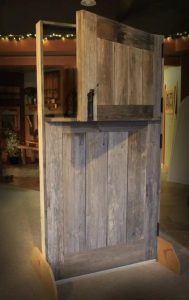
Choosing a new front door is an opportunity to make a statement about your home’s style and your values. If sustainability is important to you, a reclaimed wood door is an option worth considering. Combining natural beauty, distinctive character, and a more resource-conscious approach to building materials, reclaimed wood gives new purpose to lumber that already has a story to tell.
What Is Reclaimed Wood and Where Does It Come From?
Reclaimed wood is lumber salvaged from previously used structures rather than harvested from newly cut trees. Common sources include old barns, warehouses, industrial buildings, and other structures that are being dismantled or renovated. Instead of going to waste, this valuable material can be recovered, prepared, and repurposed into something functional and beautiful, such as a custom residential entry door.
One of the most appealing qualities of reclaimed wood is its individuality. Years of use and natural exposure can leave behind distinctive grain patterns, weathered textures, nail holes, cracks, and color variations. These details give the wood a depth and character that can be difficult to replicate with newly milled lumber.
The Environmental Benefits of Using Reclaimed Wood
Reclaimed wood is considered an environmentally conscious building material for several important reasons:
- Reduces demand for newly harvested timber: Repurposing existing lumber can reduce the need for additional trees to be harvested for new wood products. This can help ease pressure on forest resources.
- Keeps usable materials out of landfills: Salvaging wood from older structures gives usable lumber another purpose instead of sending it to a landfill or allowing it to go unused.
- Makes better use of existing resources: Most trees take decades to mature. Reusing lumber that has already been harvested makes more productive use of an existing material.
- Can reduce the environmental impact of new material production: Because reclaimed wood does not require the same initial harvesting and milling process as newly sourced lumber, it can help avoid some of the environmental impacts associated with producing new wood.
It’s worth remembering that the overall environmental impact of reclaimed wood also depends on factors such as transportation, processing, and finishing. Still, giving existing lumber a second life is a practical way to incorporate sustainability into your home’s design.
How Reclaimed Wood Becomes a Beautiful, Functional Door
Not every salvaged piece of wood is suitable for a residential door. Careful selection is essential to balancing the material’s natural character with the structural requirements of a door that will be used every day.
Once selected, the lumber is prepared and crafted into a door. This involves balancing the preservation of its natural character with the structural integrity needed for a dependable product.
Finishing is another important consideration, particularly for exterior doors exposed to sunlight and changing weather conditions. The right finish helps protect the wood while highlighting its natural grain, texture, and distinctive aged appearance.
With custom reclaimed wood door manufacturing, you can also explore the look that best complements your home, whether that’s a lightly weathered appearance or a more heavily distressed, rustic finish.
Make a Statement with a Custom Reclaimed Wood Door
An environmentally conscious home doesn’t have to sacrifice beauty, individuality, or functionality. A reclaimed wood door brings together thoughtful material reuse and timeless design, giving previously used lumber a new purpose as one of your home’s most distinctive architectural features. Choosing this option can bring lasting curb appeal to your home.
If you’re considering a reclaimed wood entry door, the material’s history, selection, construction, and finish are all worth discussing before making your decision.
Great River Door Company transforms reclaimed wood beams into custom residential doors. Contact us today at 877-825-4955 to discuss your project.
Leave a Reply